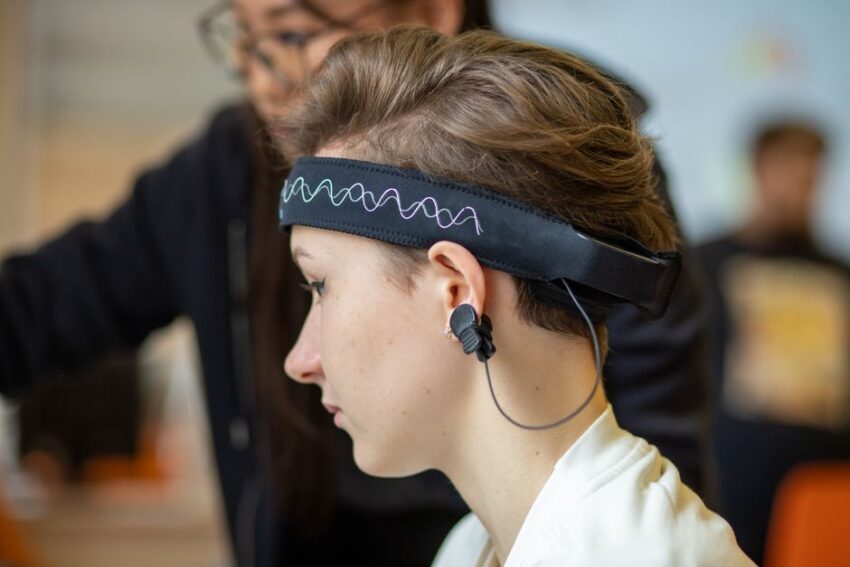
Neuroscience education is swiftly transforming how we understand learning processes. As insights into the brain's workings expand, educators face exciting opportunities to incorporate these findings into everyday teaching.
Understanding Neuroscience Education
Neuroscience education combines psychology, biology, and cognitive science to explore how the brain learns. This field empowers teachers with strategies rooted in understanding neural development, enhancing instructional methods.
The Impact on Teaching Methods
Integrating neuroscience into education revolutionizes teaching techniques. By applying brain-based strategies, educators can tailor lessons to align with how students naturally process information, promoting better engagement and retention.
Challenges and Opportunities
While neuroscience offers compelling tools, challenges in practical application remain. Educators must critically evaluate scientific findings to avoid misapplication while still embracing innovative, evidence-based approaches.
Conclusions on Neuroscience in the Classroom
Incorporating neuroscience in education holds immense promise for fostering efficient learning environments. As research continues to unveil the complexities of brain function, the synergy between neuroscience and education can lead to a transformative impact on teaching and learning outcomes.