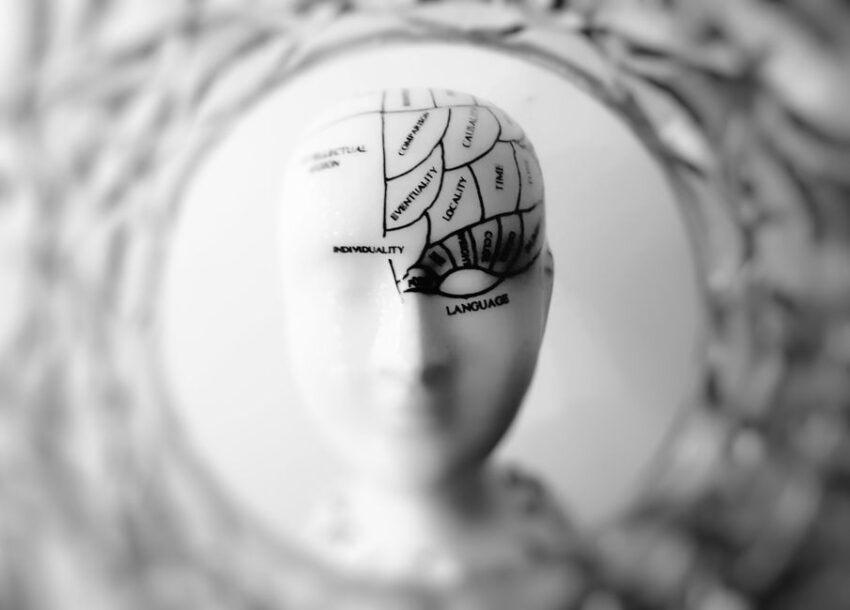
Neuroscience learning delves into how the brain processes, retains, and recalls information, transforming everyday experiences into lifelong knowledge. Integrating insights from neuroscience with educational practices can revolutionize the way we understand and approach learning.
Understanding the Brain's Role in Learning
The brain is an incredibly complex organ, and its role in learning is central. Neurons connect and communicate through synapses, forming networks that enable memory formation. Understanding these mechanisms can aid in developing innovative educational techniques that align with how the brain naturally functions.
Enhancing Learning through Neuroscience
Recent studies suggest that techniques such as spaced repetition and active recall significantly improve memory retention. These methods leverage the brain’s natural rhythms and strengthen neural connections, making learning more effective and enduring.
The Future of Education with Neuroscience Insights
The integration of neuroscience in education promises a future where teaching methods are tailored to accommodate diverse learning needs. Personalized learning experiences can maximize educational outcomes, leading to a more inclusive and effective educational system.
In summary, neuroscience learning is paving the way for groundbreaking methods that can enhance the educational landscape. By understanding and applying brain-based strategies, we can foster an environment that supports optimal learning and cognitive development.