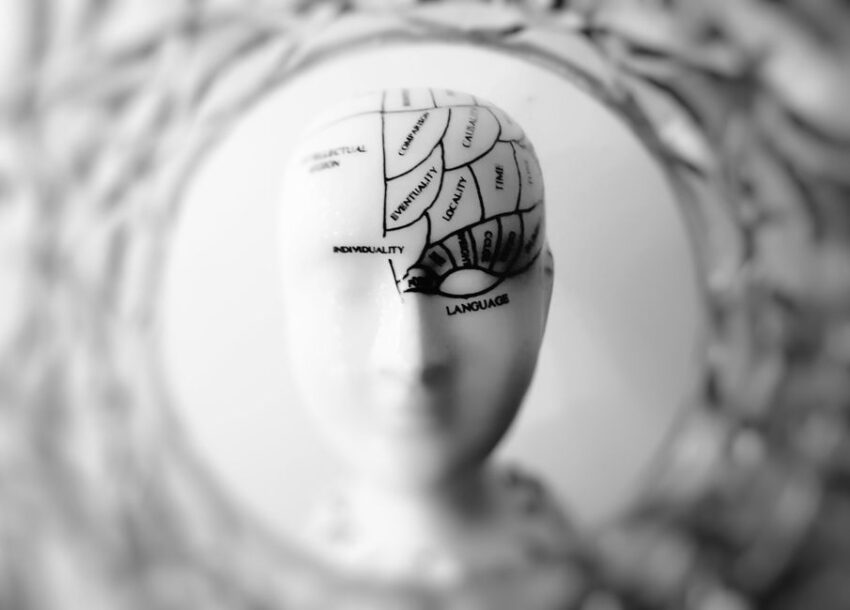
In an age where knowledge is more accessible than ever, the way we learn is undergoing a transformation, thanks to the insights of neuroscience. Understanding the brain's mechanisms can significantly enhance our capacity to learn.
How Our Brain Learns
The brain's plasticity allows it to adapt and change as we acquire new information. Neurons form new connections through repeated exposure to information, reinforcing learning pathways and enhancing memory.
The Role of Attention and Focus
Focused attention acts as a catalyst in the learning process. Engaging more senses while learning can improve focus and retention, making information stick longer.
Emotional Influence on Learning
Emotions deeply impact learning, with positive emotions enhancing cognitive processing and negative emotions hampering it. Creating an emotionally supportive learning environment can enhance educational outcomes.
Practical Applications
Using insights from neuroscience, education can be tailored to optimize learning. Developing personalized learning strategies can lead to more efficient and effective knowledge acquisition.
In conclusion, by integrating neuroscience into educational practices, learners can experience dramatically improved outcomes, paving the way for a future where knowledge is both accessible and retainable.